







Τι Είναι η Τεχνική LRF – Ο Απόλυτος Οδηγός
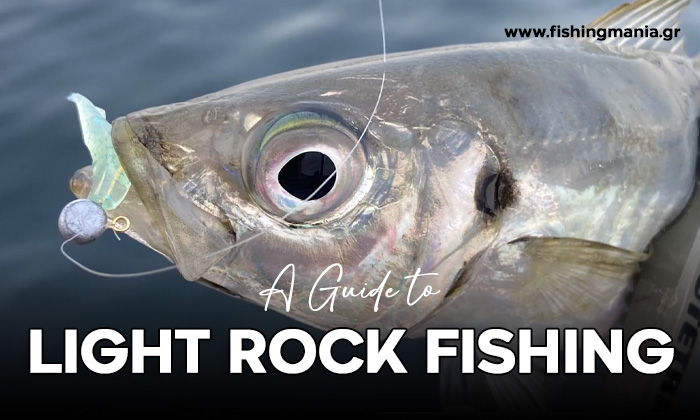
Το LRF (Light Rock Fishing) είναι μια τεχνική ελαφριάς αλιείας που έχει κερδίσει ιδιαίτερη δημοτικότητα ανάμεσα στους ψαράδες γιατί συνδυάζει διασκέδαση, τεχνική δεξιότητα και αποτελεσματικότητα στην ακτή. Το LRF στοχεύει κυρίως ψάρια που ζουν κοντά στους βράχους, λιμανάκια και μόλους, χρησιμοποιώντας πολύ ελαφρύ εξοπλισμό και μικρά τεχνητά δολώματα.
Αν θέλεις να ξεκινήσεις ή να βελτιώσεις το ψάρεμά σου με LRF, αυτός ο οδηγός θα σου δώσει όλα τα βασικά βήματα, εξοπλισμό, τεχνικές και tips για να έχεις αποτελέσματα.
Τι Στοχεύει η Τεχνική LRF
Το LRF είναι ιδανικό για: μικρά και μεσαία ψάρια όπως σαργούς, λαβράκια, σαφρίδια, κολιούς, σκαθάρια και βραχόψαρα, αλλά μπορεί να φέρει και πιο εντυπωσιακά αρπακτικά στο αποτέλεσμα της μάχης λόγω της ελαφριάς φυσιογνωμίας του εξοπλισμού.
Η τεχνική αυτή δίνει μεγάλη έμφαση στο αίσθημα του ψαρά, στην αλληλεπίδραση με το δόλωμα και στο ψάρεμα ως εμπειρία, όχι μόνο ως αποτέλεσμα.
Πώς Λειτουργεί η Τεχνική LRF
Η ουσία της τεχνικής είναι:
- Υψηλή αντίληψη και παρακολούθηση της συμπεριφοράς του δολώματος
- Λεπτός εξοπλισμός για να γίνεται πιο φυσική η παρουσίαση
- Ψάρεμα κοντά σε βράχια και φυσικούς σχηματισμούς όπου κινούνται τα ψάρια
Σε αντίθεση με το κλασικό spinning, το LRF χρησιμοποιεί πολύ πιο λεπτά εργαλεία, μικρά δολώματα και λεπτό νήμα, ώστε να μπορείς να αντιληφθείς κάθε κίνηση του τεχνητού και να νιώσεις την παραμικρή «τσιμπιά».
Απαραίτητος Εξοπλισμός για LRF
Για να ξεκινήσεις σωστά με LRF χρειάζεσαι:
- Καλάμι Ψαρέματος: Μήκος από 1.60m έως 2.40m. Ελαφριά δράση με lure weight περίπου 0.5 έως 10gr και με πολύ καλή ευαισθησία. Το καλάμι στο LRF πρέπει να δίνει ζωή στο τεχνητό δόλωμα, ακόμα και στα πολύ μικρά.
- Μηχανισμός Spinning: Μέγεθος 1000–2500 με ομαλό φρένο για να αντέχει τις στιγμιαίες πιέσεις από μικρά και μεσαία ψάρια.
- Νήμα: Πολύ λεπτό PE νήμα: PE 0.2 – 0.8, καλής ποιότητας ώστε να έχει μικρή τριβή και μεγάλη ανθεκτικότητα.
- Παραμάλλο: Fluorocarbon για να παραμένει “αόρατο” στο νερό. Συνήθως 0.18–0.28 mm ανάλογα με στόχο και τεχνική.
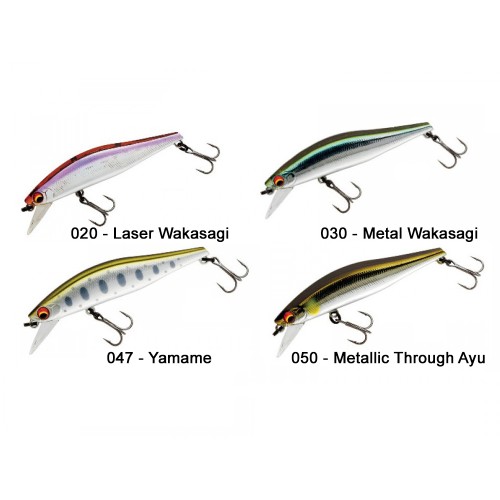
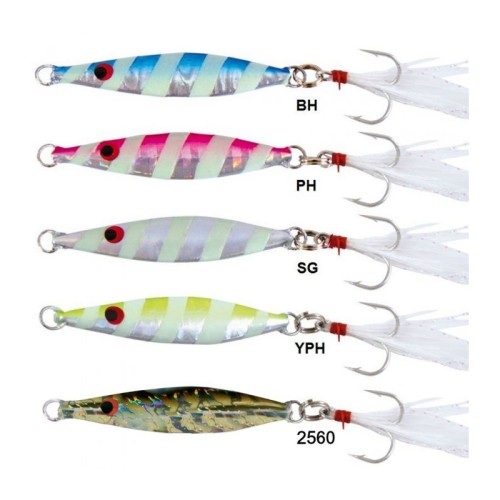
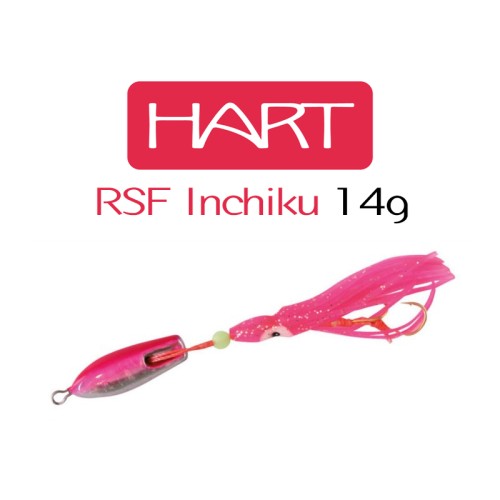
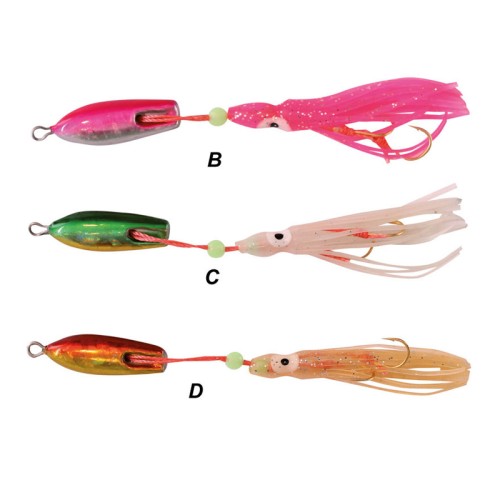
- Τεχνητά Δολώματα: Τα πιο αποτελεσματικά για LRF είναι: Μικρά minnows - Pencils - micro plugs - μικρά πλανάκια (micro jigs) - σιλικόνες με ελαφριές μολυβοκεφαλές. Η επιλογή χρώματος και βάρους εξαρτάται από διαύγεια νερού και βάθος.
Πλεονεκτήματα του LRF
Το Light Rock Fishing είναι ιδιαίτερα διασκεδαστικό και αποδοτικό για διάφορους λόγους:
- Ευελιξία σε τοποθεσίες: Μπορείς να ψαρέψεις από: βράχια, λιμενοβραχίονες, μόλους, ακτές χωρίς να χρειαστείς βάρκα.
- Εντυπωσιακές Μάχες: Η ελαφριά φύση του εξοπλισμού κάνει κάθε μάχη με ψάρι πιο δραματική και διασκεδαστική.
- Ευκαιρία για Συλλήψεις: Μικρά ως μεσαία ψάρια μπορούν να πιαστούν με υψηλή συχνότητα, κάνοντας την εμπειρία πιο ενεργή και ενδιαφέρουσα.
Συχνές Ερωτήσεις για LRF
Πρέπει να είναι πάντα σε βράχια το ψάρεμα LRF;
Όχι πάντα — η αρχική ιδέα ήταν σε βραχώδεις ακτές, αλλά πλέον η τεχνική εφαρμόζεται και σε μέσον νερών και αφρού με μικρά τεχνητά.
Το LRF είναι μόνο για μικρά ψάρια;
Όχι. Αν και ξεκινάει με μικρότερες «προκλήσεις», με την εμπειρία και σωστό εξοπλισμό μπορείς να πιάσεις και μεγαλύτερα αρπακτικά.
Συμπέρασμα
Το Light Rock Fishing (LRF) είναι μια προσιτή, τεχνικά ενδιαφέρουσα και απολαυστική μορφή ψαρέματος για όλα τα επίπεδα ψαράδων. Με τον σωστό εξοπλισμό και λίγη πρακτική, μπορείς να αναδείξεις το ψάρεμά σου σε αληθινή εμπειρία και να αυξήσεις τις επιτυχίες από την ακτή.