







Eging - Ψάρεμα Καλαμαριών & Κεφαλόποδων από την Ακτή
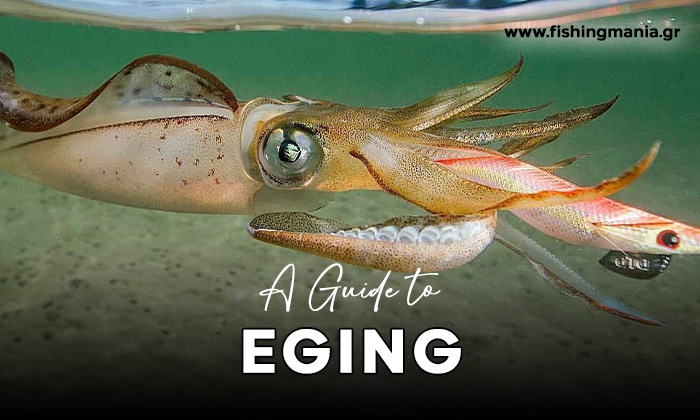
Το Eging είναι μια εξειδικευμένη τεχνική ψαρέματος, σχεδιασμένη ειδικά για την αλίευση καλαμαριών, σουπιών και άλλων κεφαλόποδων χρησιμοποιώντας τα ειδικά δολώματα που ονομάζονται καλαμαριέρες ή egi.
Τι είναι η τεχνική Eging;
Ουσιαστικά πρόκειται για μια μέθοδο ψαρέματος στην οποία ρίχνουμε μια καλαμαριέρα egi στη θάλασσα και τη μετακινούμε με συγκεκριμένη «κίνηση», ώστε να προσομοιώνει το θήραμα του καλαμαριού και να προκαλεί το τσίμπημά του.
Αντίθετα με άλλες τεχνικές όπως το spinning ή το jigging, το eging εστιάζει στη σωστή ανάκτηση της καλαμαριέρας, ώστε να την κάνει ελκυστική για τα κεφαλόποδα.
Βασικά Στοιχεία & Εξοπλισμός για Eging
Καλάμι & Μηχανισμός
Για να κάνεις eging αποδοτικά, χρειάζεται:
- Καλάμι eging: Μακρύ (συνήθως ~2,40–2,70 m), με συγκεκριμένη παραβολικότητα που βοηθά στον έλεγχο της καλαμαριέρας και στην απορρόφηση των τραβηγμάτων.
- Μηχανισμός: Επιλέγεις έναν μικρό μηχανισμό (μεγέθους 2500 έως 3000) με καλό έλεγχο και στρώσιμο του νήματος, να έχει γραμμικά (προοδευτικά φρένα) λόγω των μικρών διατομών που χρησιμοποιούμε.
- Νήμα / Παράμαλο: Προτιμάται νήμα με επαρκή αντοχή και λεπτό παράμαλλο fluorocarbon για πιο φυσικό αποτέλεσμα στο νερό.
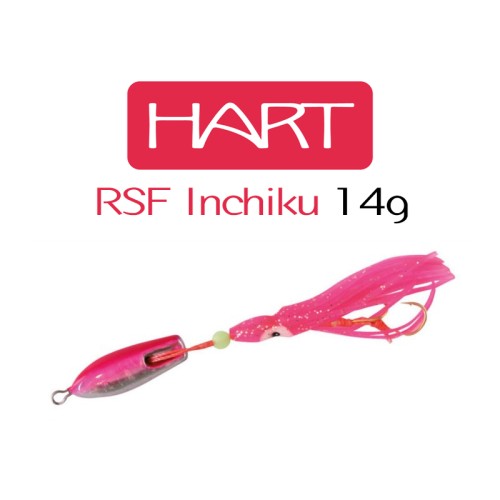
Καλαμαριέρες (Egi) – Η Καρδιά της Τεχνικής
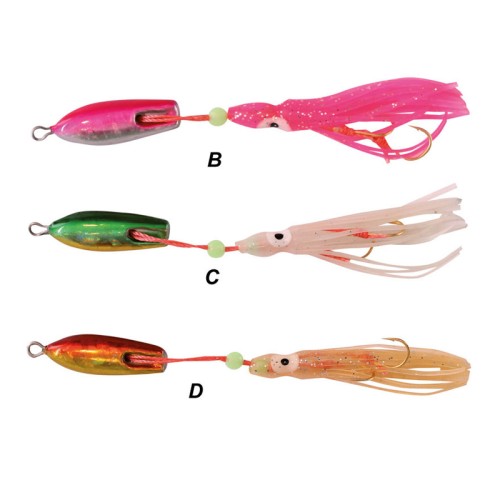
Οι καλαμαριέρες είναι ειδικά τεχνικά δολώματα που μιμούνται το θήραμα των καλαμαριών (γαρίδα). Διαφέρουν σε:
- Μέγεθος: από μικρές (π.χ. 1.8–2.5 egi) για light eging, μέχρι μεγαλύτερες για βαθύτερα και με έντονα ρεύματα νερά (π.χ. 3.0–3.5 egi)
- Βάρος & ταχύτητα βύθισης: Καθορίζουν πόσο γρήγορα η καλαμαριέρα θα φτάσει στον πάτο.
- Χρώματα & χαρακτηριστικά: Φυσικά, ζωηρά, ή με ειδικά στοιχεία (π.χ. glow, ήχος) για να “τραβούν” περισσότερο τα κεφαλόποδα.
Η σωστή καλαμαριέρα μπορεί να κάνει τεράστια διαφορά στην αποτελεσματικότητα του ψαρέματος σου.
Shore Eging – Ψάρεμα από την Ακτή
Στην Ελλάδα, αυτή η τεχνική έχει γίνει πολύ δημοφιλής, ειδικά κατά τη διάρκεια φθινοπώρου και χειμώνα όταν τα καλαμάρια και οι σουπιές πλησιάζουν τις παραλίες.
Με το shore eging δεν χρειάζεται να βγεις στη θάλασσα — απλά ρίχνεις την καλαμαριέρα από βράχια, παραλίες ή προβλήτες και την κινείς με ρυθμικά, ελεγχόμενα χτυπήματα ώστε να προσελκύσεις τα κεφαλόποδα.
Γιατί να Δοκιμάσεις Eging;
- Διαδραστική τεχνική: Το eging προσφέρει έναν ενεργό και διασκεδαστικό τρόπο ψαρέματος που δεν είναι μόνο “ρίξε και περίμενε”.
- Μεγάλη ποικιλία εξοπλισμού: Από ελαφριά shore eging σετ μέχρι πιο προχωρημένο εξοπλισμό με ειδικές καλαμαριέρες.
- Αποδοτικό για ποικίλα είδη: Παράλληλα με τα καλαμάρια, μπορείς να στοχεύσεις σε σουπιές και χταπόδια.
Συμπέρασμα
Η τεχνική Eging και ειδικά το Shore Eging αποτελούν μία από τις πιο δημοφιλείς και αποτελεσματικές μεθόδους για το ψάρεμα καλαμαριών και άλλων κεφαλόποδων από την ακτή. Με τον σωστό εξοπλισμό, τις καλαμαριέρες και την κατάλληλη τεχνική ανάκτησης, μπορείς να απολαύσεις μία δραστήρια & επιτυχημένη εμπειρία αλιείας.
Άφησε ένα σχόλιο