







Shore Jigging - Ο απόλυτος οδηγός για τεχνική, εξοπλισμό και συμβουλές
Το Shore Jigging είναι μια από τις πιο συναρπαστικές τεχνικές ψαρέματος από ακτή, που κερδίζει όλο και περισσότερους φίλους στην Ελλάδα και στον κόσμο. Συνδυάζει την ενέργεια του jigging με την πρόκληση του ψαρέματος από βράχια, παραλίες ή λιμάνια, προσελκύοντας ισχυρά αρπακτικά όπως μαγιάτικα, στήρες, ροφοί, τονοειδή, λούτσοι και άλλα είδη.
Τι είναι το Shore Jigging
Το Shore Jigging είναι μια μορφή spinning ειδικά εξελιγμένη για να πραγματοποιείται από την ακτή με βαριά εργαλεία. Αντί για το παραδοσιακό spinning με ελαφριά τεχνητά, εδώ χρησιμοποιούμε μεταλλικούς πλάνους (jigs) που δίνουν με το βάρος τους τη δυνατότητα να φτάσουν σε μεγάλα βάθη ακόμα και σε βαθιά νερά κοντά στην ακτή.
Η φιλοσοφία του είναι να μιμηθείς μικρό ψάρι με τις κινήσεις του jig, ώστε να δελεάσεις τα αρπακτικά να επιτεθούν. Η τεχνική απαιτεί χρόνο, υπομονή και φυσική αντοχή — αλλά οι ανταμοιβές είναι μεγάλες.
Ο βασικός εξοπλισμός για Shore Jigging
Για να εκτελέσεις σωστά αυτή την τεχνική, ο σωστός εξοπλισμός είναι απαραίτητος. Ας δούμε τα βασικά:
Τα καλάμια πρέπει να είναι ειδικά για Shore Jigging με fast ή extra fast action, ώστε να δίνουν ζωντάνια στο jig στη διάρκεια της ανάκτησης.
Συνήθη μήκη: 2,70 – 3,20 μ. Ανάλογα με το βάθος και τον στόχο.
Χρειάζεσαι μεγάλο μέγεθος μηχανισμού (π.χ. 4500–8000 ή και μεγαλύτερο), με ισχυρό σύστημα φρένων και υψηλή σχέση περιστροφής για ανάκτηση.
Οι μηχανισμοί πρέπει να είναι ανθεκτικοί και αξιόπιστοι, ειδικά αν στοχεύεις μεγάλα ψάρια σε βαθιά νερά.
Χρησιμοποιούμε νήμα (braid) υψηλής ποιότητας Χ8, τυπικά PE 2–3, λόγω της αντοχής και της άμεσης μεταφοράς της δύναμης.
Παράμαλλο fluorocarbon για βελτιωμένη διακριτικότητα και αντοχή σε τριβή.
Τεχνητά δολώματα
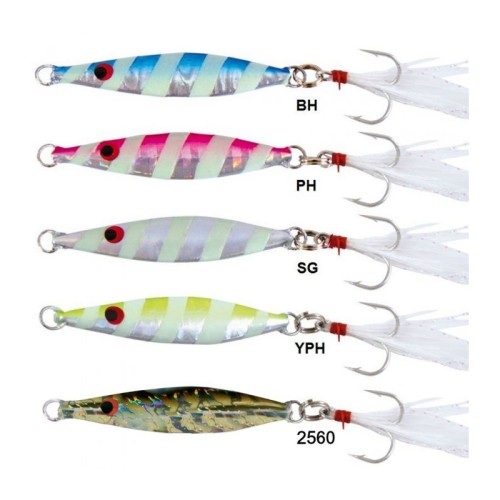
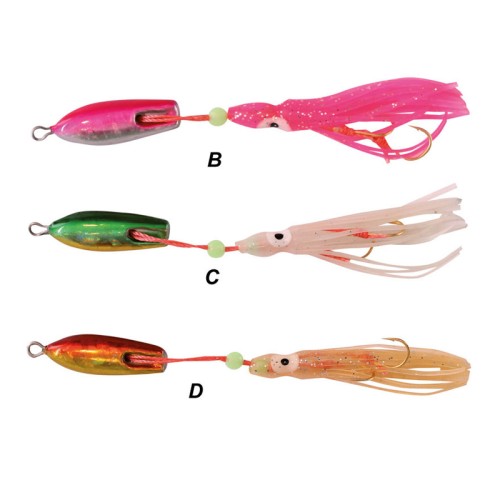
- Πλάνοι (metal jigs): Κύρια επιλογή για shore jigging, με βάρη από 40 g έως και 120 g.
- Σιλικόνες & άλλα δολώματα: Μπορούν να χρησιμοποιηθούν μερικές φορές για διαφορετικά είδη ψαριών.
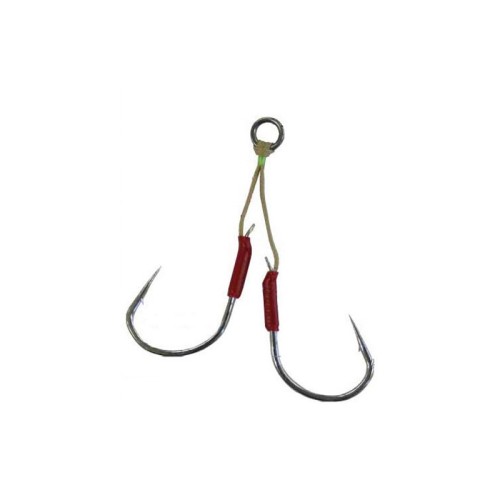
- Assist hooks: Σωστά δεμένα και ανθεκτικά να αντέχουν τη μάχη με μεγάλα θηράματα.
Τεχνική και εκτέλεση
- Η διαδικασία του Shore Jigging περιλαμβάνει:
- Ρίψη του jig σε βαθιά νερά ή σε σημεία με απότομη πτώση.
- Κατέβασμα στο επιθυμητό βάθος — συνήθως από 15 μέτρα και πάνω.
- Ανάκτηση με κινήσεις: Γρήγορη ή αργή ανάκτηση, παύσεις, χτυπήματα για να δοθεί ζωή στο jig και να δελεάσει τα ψάρια.
- Επανάληψη με ανοίγματα στο pick-up ώστε το jig να επιστρέψει στο βάθος πολλές φορές.
Το Shore Jigging μπορεί να γίνει τόσο σε πολύ βαθιά νερά όσο και σε μέρη όπου το βάθος αλλάζει απότομα κοντά στην ακτή. Η πρόβλεψη του βάθους, των ρευμάτων και της ώρας της ημέρας παίζει μεγάλο ρόλο στην επιτυχία.
Τι είδη ψαριών στοχεύεις
Με Shore Jigging μπορείς να στοχεύσεις μεγάλη ποικιλία θηρευτικών:
- Μαγιάτικα, λούτσοι, παλαμίδες, κυνηγοί– κινούνται σε διάφορα βάθη.
- Στήρες, ροφοί, σφυρίδες – ιδανικά για μεγαλύτερα jigs και πιο ισχυρό εξοπλισμό– τα βρίσκεις συνήθως κοντά στον βυθό.
- Συναγρίδες και άλλα αρπακτικά – απαιτούν υπομονή και σωστή τεχνική– κινούνται σε διάφορα βάθη..
Η επιλογή του σωστού πλάνου και του τύπου ανάκτησης μπορεί να αλλάξει δραματικά τα αποτελέσματα ανάλογα με τα είδη που κυνηγάς.
Συμβουλές για καλύτερα αποτελέσματα
Προτίμησε απότομες ακτές και βαθιά νερά, καθώς αυτά τα μέρη συγκεντρώνουν πιο μεγάλα αρπαχτικά. Δούλευε σε διαφορετικά επίπεδα ύψους μέχρι να βρεις τι «δουλεύει» την ημέρα εκείνη. Σωστός εξοπλισμός σημαίνει λιγότερη κούραση και περισσότερη ψαριά. Καλή πρόβλεψη του καιρού, των κυμάτων και των ρευμάτων βελτιώνει δραματικά τις πιθανότητες.
Τελικές σκέψεις
Το Shore Jigging δεν είναι απλώς μια ακόμα τεχνική — είναι μια ολοκληρωμένη εμπειρία ψαρέματος που συνδυάζει στρατηγική, εξοπλισμό, φυσική δράση και γνώση της θάλασσας. Για όσους αγαπούν το δυναμικό ψάρεμα και την πρόκληση μεγάλης ψαριάς από την ακτή, αποτελεί μια αγαπημένη επιλογή με υψηλές ανταμοιβές.
Άφησε ένα σχόλιο